Held by the Mountains
Rifugio Bella Vista 2850m
Location
Owner
Produced by
SCHNALSTALER GLACIER
JOSEF GRÜNER
KINDOFSPACE
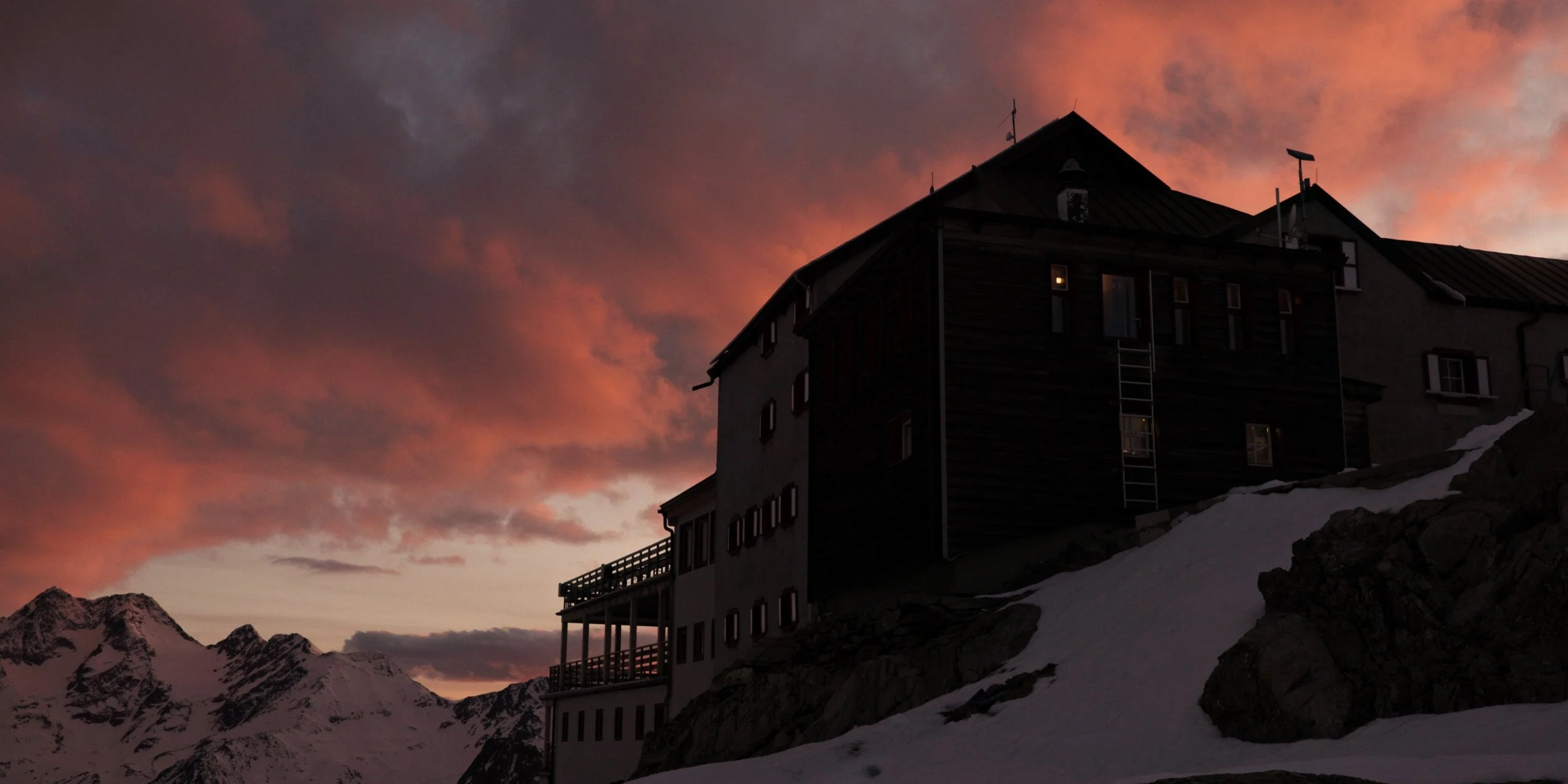
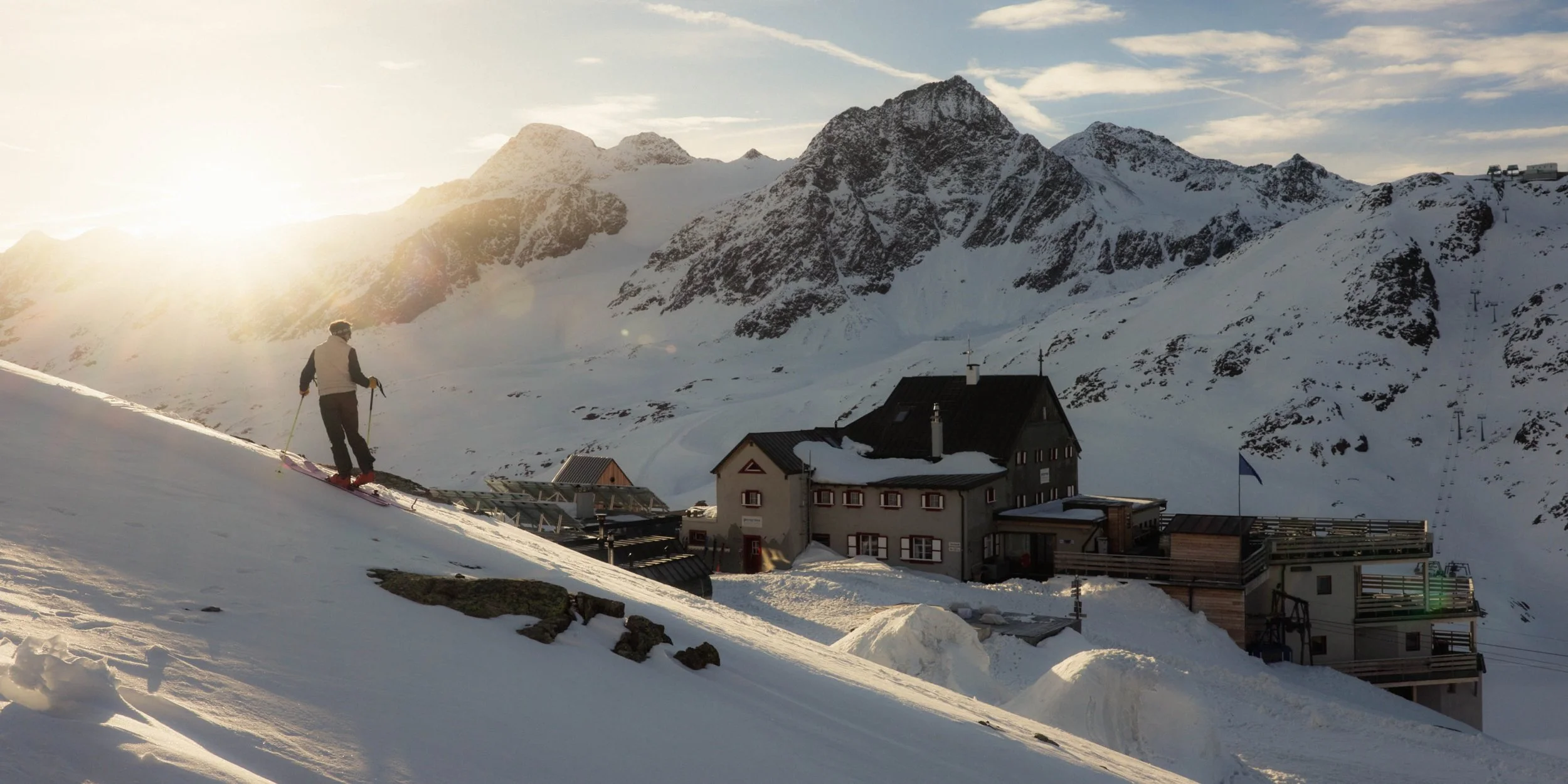
For over 125 years, Rifugio Bella Vista has stood on the Hochjoch — at the crossing point between the Austrian Ötztal and the Italian Schnals Valley. What began as a simple shelter has become a place that is difficult to describe in ordinary terms. At 2,842 metres, on the exact border between two countries, between the Schnals ridge and the glacier.
Josef Grüner grew up between the valley and the glacier. His father Paul ran Rifugio Bella Vista for decades, renovating and expanding the hut in 2006 into what it is today, before handing it over to his son. Josef has since taken on the role with the same sense of responsibility that this place seems to ask of everyone who commits to it.
„In a world that rarely slows down, the mountains offer stillness“
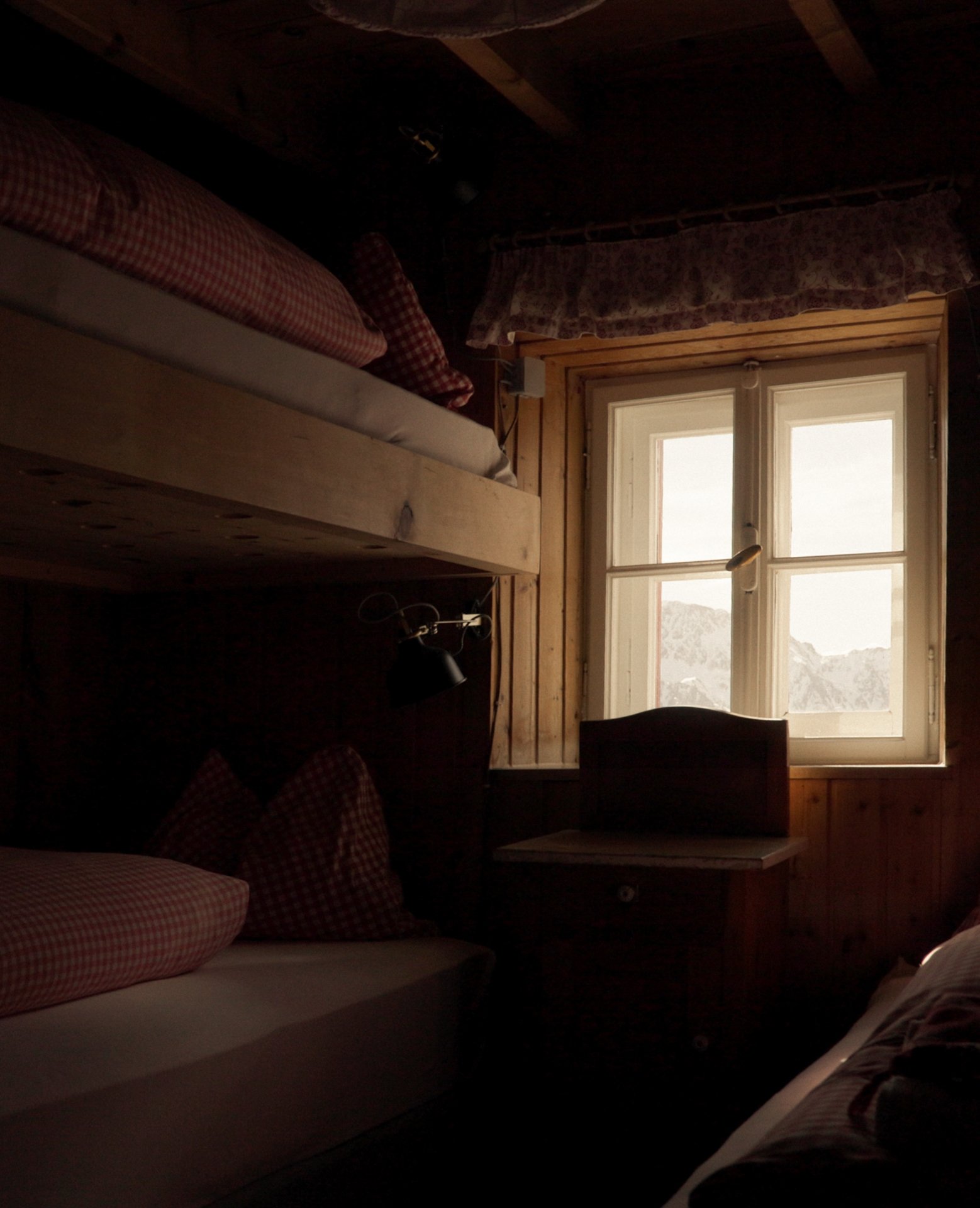
Running a hut at 2,842 metres is not a seasonal job that ends when the guests go home. The season opens in June and closes in autumn, then reopens again in winter for the skiers and ski tourers who make use of the Schnalstaler Gletscherbahn and the surrounding terrain. The Schnals Valley has some of the most reliable snow conditions in South Tyrol, and the hut sits at the centre of a landscape that draws people for very different reasons — some arrive with touring skis and ambitious routes in mind, others come simply to spend a few days on the slopes, to rest and read on the terrace with the glacier in front of them.
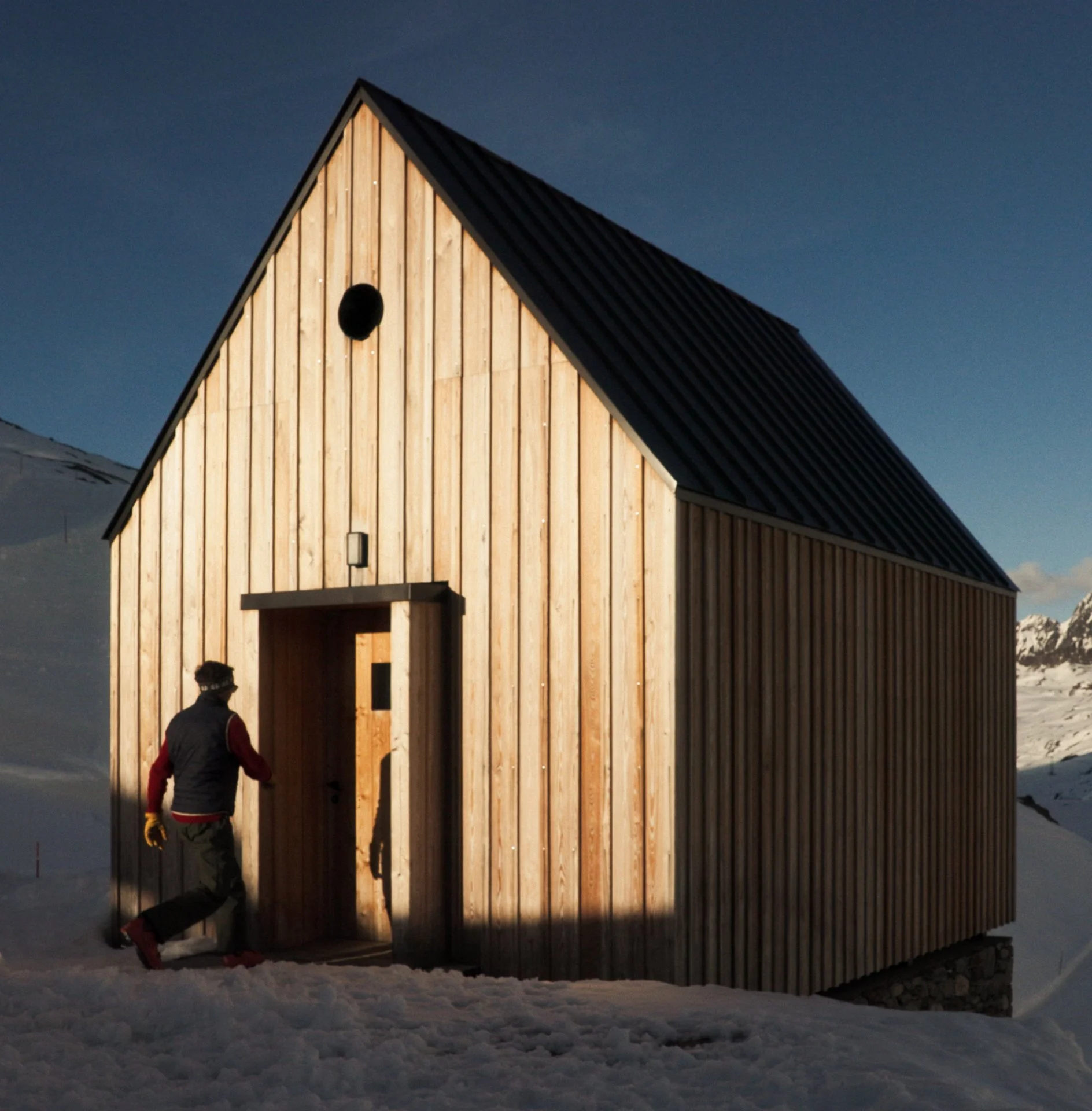
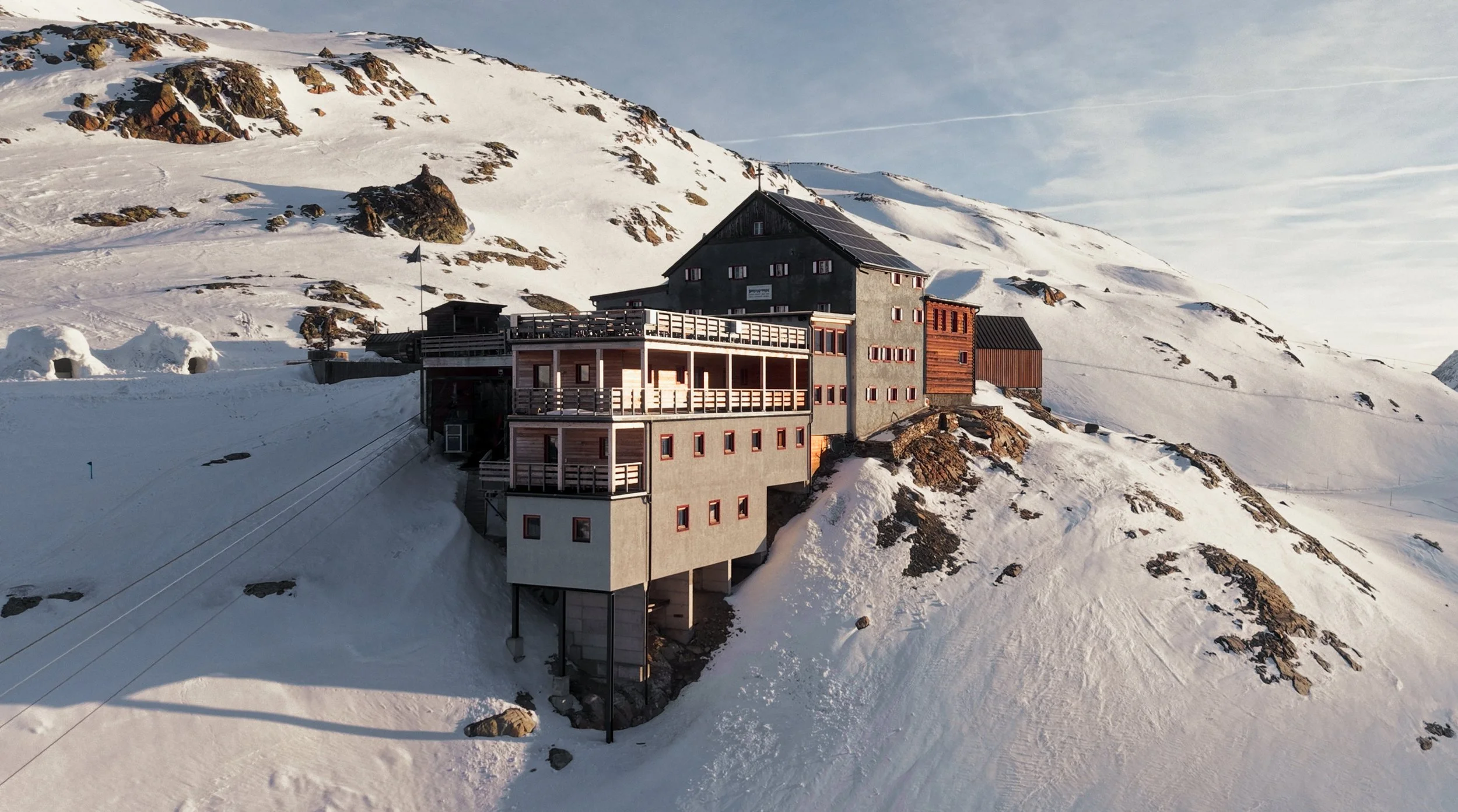
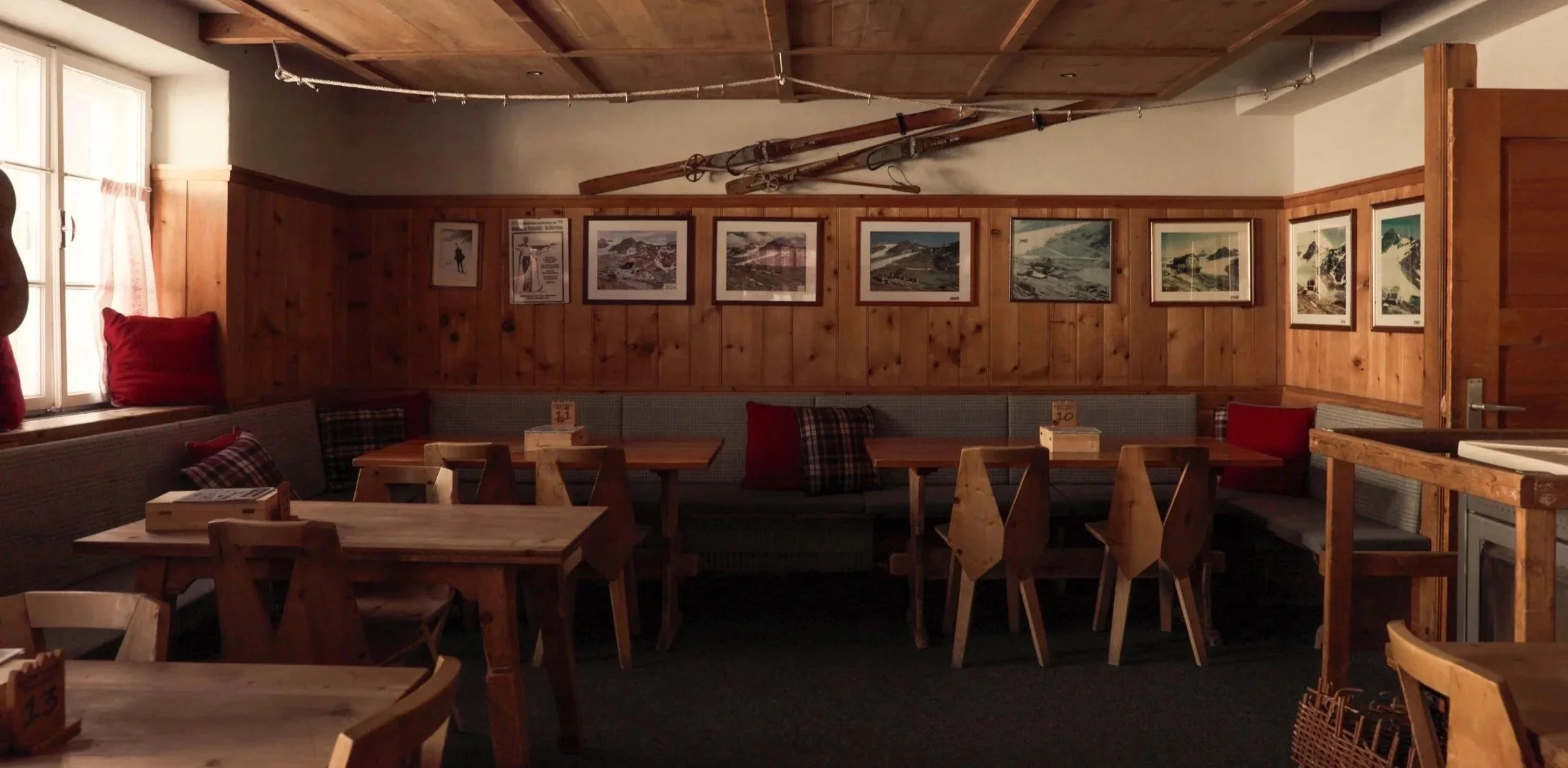
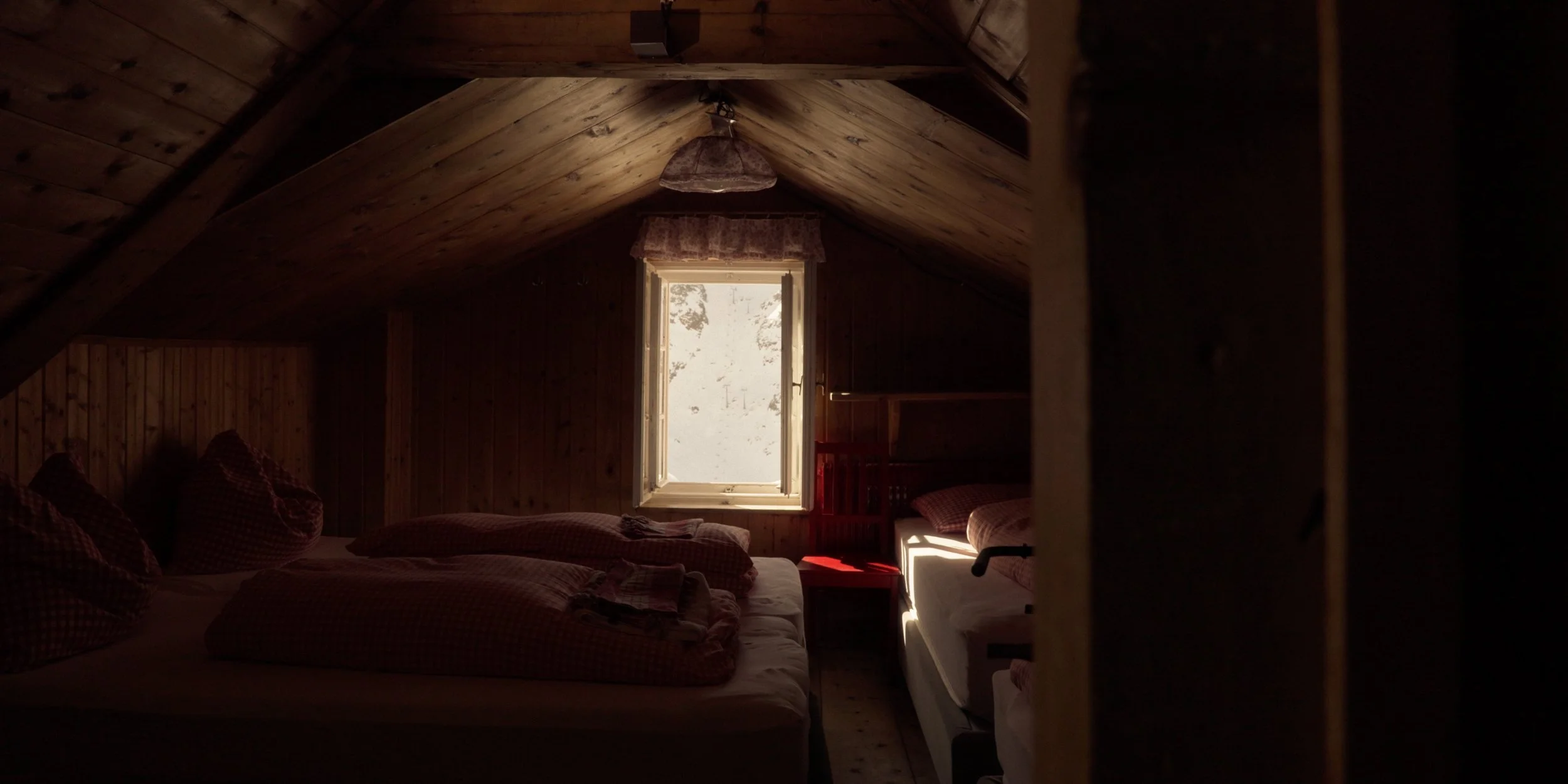
The most recent renovation focused less on reinvention and more on adapting the hut to the realities of contemporary alpine hospitality. The terrace was rebuilt and expanded, opening wider views across the glacier, while the guest rooms were updated with private bathrooms and balconies. Behind the scenes, the staff quarters were redesigned to support the conditions of a team living and working at nearly 3,000 metres for months at a time.